Build-to-drawing parts
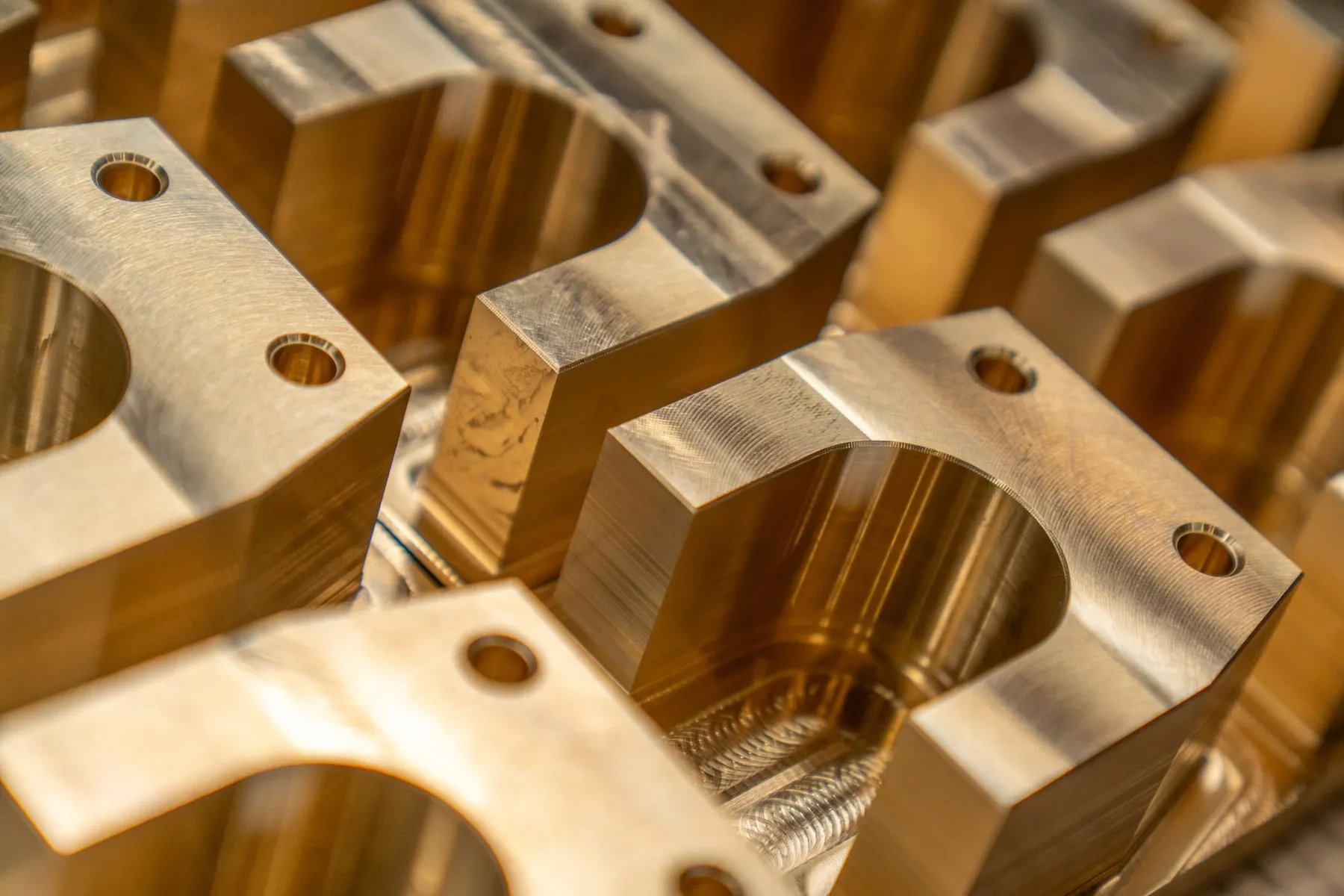
Machined, fabricated, stamped or moulded parts made to a controlled drawing. Material, tolerance, finish, inspection and tooling define the sourcing route.
Capability 05 路 Custom requirements
Not every requirement fits a category page. A discontinued part, a bespoke assembly, a material specification or a production item with no obvious supplier still needs a structured sourcing process. This is where custom sourcing begins.
Overview
We start with what is known, identify what is missing, and build a supplier search around the drawing, sample or performance requirement. No automated matching and no invented supplier list.
This page is a capability guide, not a product listing. It explains the common product families, the information a supplier needs and the purchasing questions worth resolving before an order. Specifications vary by model and supplier; all technical data is subject to confirmation upon inquiry.
Product scope
8 familiesCustom sourcing is appropriate when the requirement can be described clearly enough to compare suppliers. If the scope is still uncertain, we can help structure the first technical questions.
Product families
Machined, fabricated, stamped or moulded parts made to a controlled drawing. Material, tolerance, finish, inspection and tooling define the sourcing route.
Parts for existing equipment where the original supply route is unavailable. Nameplates, measurements, photos and samples help establish a viable replacement scope.
Multi-part assemblies, sub-assemblies and kitted packs. Component responsibility, assembly inspection and packaging should be defined before quotation.
Sheet, bar, tube, castings, forgings, insulation and other production inputs. Grade, form, size, quantity and certification determine the supplier universe.
Maintenance, repair and operations items that fall outside normal catalogues. Obsolete references and cross-compatible alternatives need careful confirmation.
Product and packaging coordination for importers and distributors. Artwork, labelling, compliance claims and quality inspection must be agreed in writing.
Specifications vary by model and supplier; all technical data is subject to confirmation upon inquiry.
Materials & standards
The ranges below are common industry references, not a statement of stock or supplier capability. The applicable grade, standard and test requirement must be confirmed for the specific inquiry.
Applications
Application examples are illustrative. Suitability depends on the complete system design, operating conditions and applicable standards.
Before you buy
If the original reference is unclear, describe the function, environment and interface. A good sourcing brief can still be built from measured dimensions and application data.
Material, tolerance, certification and safety requirements are different from packaging colour or preferred brand. Clear priorities help suppliers propose realistic options.
Share only what is necessary, use confidentiality arrangements where appropriate, and agree how drawings and tooling will be handled before production.
Custom parts may need samples, first-article inspection or testing before full production. These steps are part of the project cost and timeline.
For custom assemblies, define who owns design approval, component traceability, conformity and final acceptance. Sourcing coordination is not a substitute for engineering responsibility.
How we help
Clarify the specification, quantity, destination and documentation needs.
Identify relevant suppliers and confirm basic fit before requesting offers.
Collect offers on a consistent basis and surface technical or commercial gaps.
Give you a structured view so your team can approve the next step.
FAQs
Send the photo and any dimensions or markings you have. We can help identify what additional information would be needed, but a photo alone may not be enough for a reliable quotation or replacement.
We can discuss confidentiality arrangements before receiving sensitive drawings. The appropriate agreement depends on the project and the parties involved.
Prototype sourcing may be possible, but setup costs and supplier minimums often dominate. We will explain the trade-offs before proceeding.
No. Fit depends on accurate dimensions and a clear interface definition. We recommend a sample or first-article check before committing to production quantities.
Use the RFQ form to explain what the item does, the material and dimensions you know, the quantity and the destination. Add a drawing, photo or specification if you have one.
Next step
Send the product type, specification and quantity. A short description is enough to start; a drawing or data sheet helps us ask better questions.